Every child develops communication skills at their own pace. Some children start talking early, while others take a little more time—and both can still be within a normal range. However, there are certain developmental milestones that help parents understand whether their child’s speech and language skills are progressing as expected.
Recognizing early signs of delay does not mean something is “wrong,” but it can help you take the right steps at the right time. Early support from a speech therapist can make communication easier, reduce frustration, and help your child build confidence in expressing themselves.
Understanding Typical Speech and Language Development
Speech and language development happens gradually. While every child is different, the following milestones are commonly used as general guidelines:
0–12 Months
- Responds to sounds and familiar voices
- Begins babbling (ba-ba, da-da)
- Uses gestures like pointing or waving
- May say first simple words like “mama” or “dada” toward the end of this stage
1–2 Years
- Uses several single words regularly
- Understands simple instructions (“come here,” “give me”)
- Starts combining gestures with words
- Vocabulary begins to grow rapidly
2–3 Years
- Combines 2–3 words into simple sentences
- Vocabulary expands to hundreds of words
- Speech becomes more understandable to familiar adults
- Begins asking simple questions
3–4 Years
- Speaks in clearer sentences
- Can be understood by most people outside the family
- Tells simple stories or describes events
- Uses language for a variety of daily needs
Signs You May Need Extra Support
While variation is normal, certain signs may indicate that your child could benefit from a speech and language evaluation:
Speech Clarity Concerns
- Your child’s speech is difficult for family or teachers to understand
- They frequently leave out sounds or substitute them
- Pronunciation is significantly unclear compared to peers
Language Development Concerns
- Limited vocabulary for their age
- Difficulty forming sentences
- Struggles to understand simple instructions or questions
- Finds it hard to express needs or emotions
Social Communication Concerns
- Avoids talking or interacting with others
- Rarely initiates communication
- Prefers gestures over words even when older
- Difficulty engaging in play with peers
Other Possible Indicators
- Frustration when trying to communicate
- Frequent tantrums linked to inability to express needs
- Regression (losing previously acquired words or skills)
Why Early Intervention Is So Important
Early support plays a powerful role in a child’s development. The earlier communication challenges are identified, the easier it is to address them effectively.
Speech therapy during early childhood can help:
- Improve speech clarity and understanding
- Build stronger language and vocabulary skills
- Support social interaction and confidence
- Reduce frustration caused by communication barriers
Children’s brains are highly adaptable in early years, making this the most effective time for intervention and learning.
What Happens During a Speech Assessment?
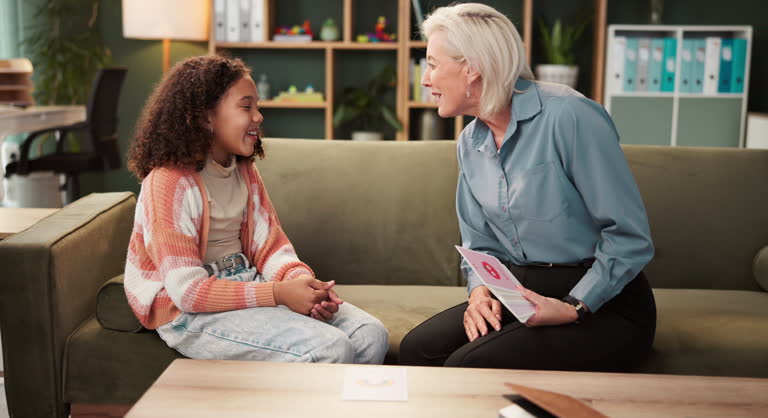
Many parents hesitate because they are unsure what an assessment involves. In reality, it is a simple and child-friendly process.
A speech therapist may:
- Observe how your child communicates and plays
- Ask questions about development and daily routines
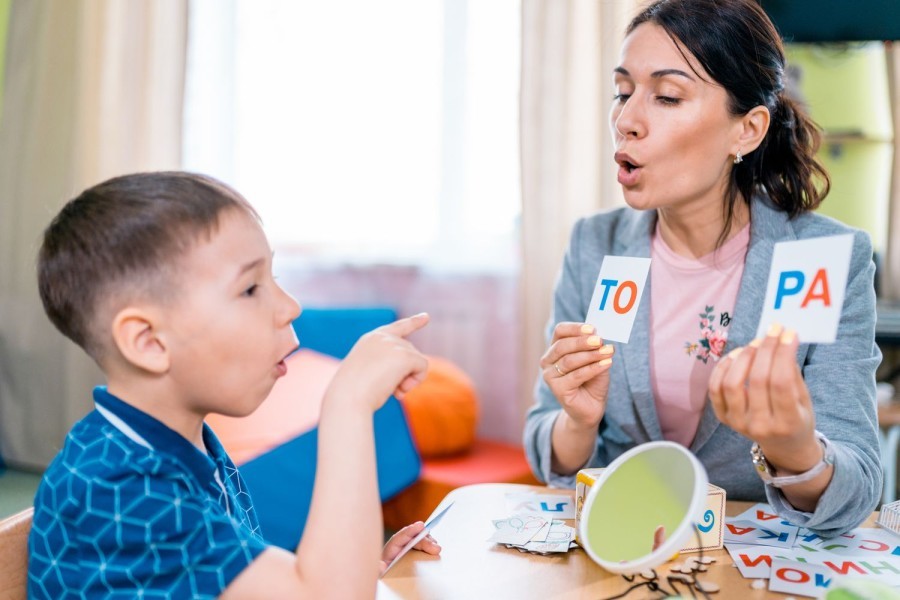
- Use games, pictures, or activities to assess skills
- Identify strengths and areas that may need support
After the assessment, you will usually receive clear feedback and a personalized plan if therapy is recommended.
How Parents Can Support Their Child at Home
Even small daily interactions can make a big difference in speech development:
- Talk slowly and clearly during daily routines
- Read books together and ask simple questions
- Expand your child’s sentences (e.g., if they say “car,” you say “Yes, a big red car”)
- Encourage communication instead of guessing their needs immediately
- Create a calm, pressure-free environment for speaking
Conclusion
If you are wondering whether your child’s speech development is on track, trust your instincts. Every child develops differently, but early awareness is always helpful.
Seeking advice does not mean there is a serious problem—it simply ensures your child gets the right support at the right time. With early guidance, children can build strong communication skills and grow into confident speakers in everyday life.